
Americanhardwood,graded for export.
Veneer-grade white oak, red oak and black walnut from the American hardwood belt. Pulpwood and MDF-grade chips for panel producers. Sourced, graded, documented and loaded by one team.
- 03
- Headline species
- 03
- Product lines
- 08
- US loading ports
- 05
- Incoterms quoted
Oak, oak, walnut
Logs, veneer, fibre
Atlantic & Gulf
EXW to CIF
What Silvestryn Trade LLC is, in one paragraph
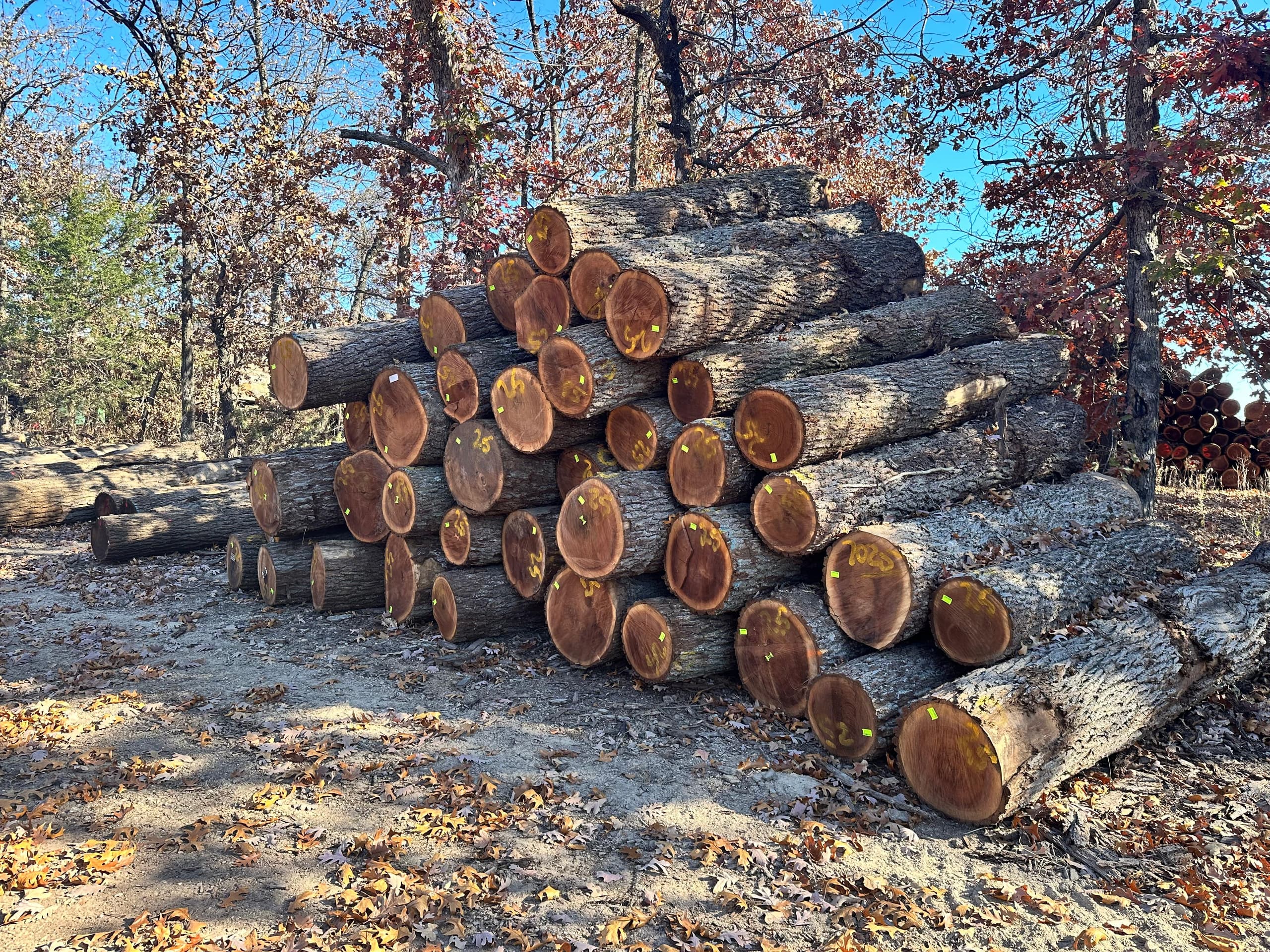
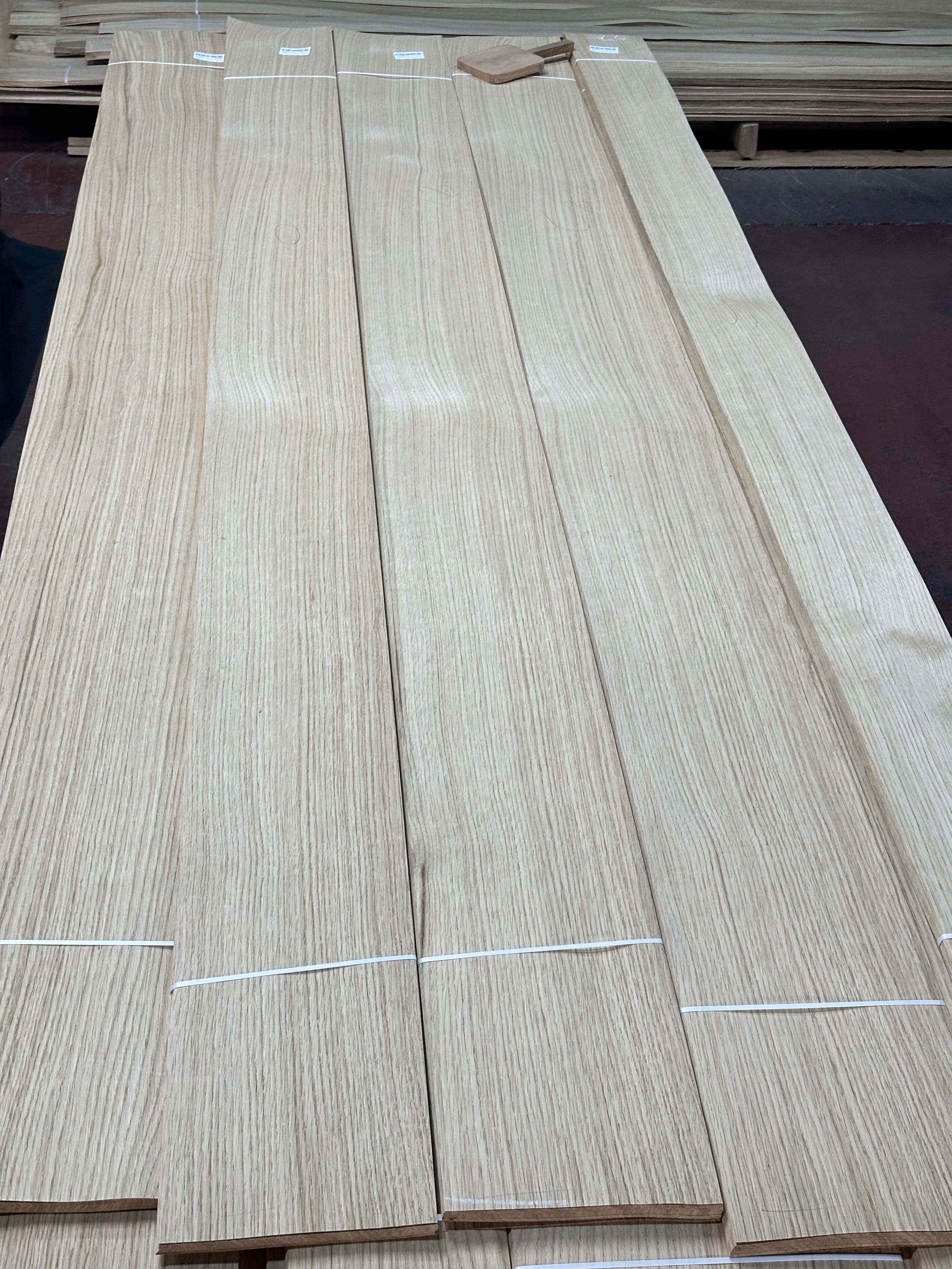
Silvestryn Trade LLC is a United States hardwood exporter headquartered in Miami, Florida, running three product lines. The first is veneer-grade logs — American white oak (Quercus alba), northern red oak (Quercus rubra) and American black walnut (Juglans nigra) — bought and graded in West Virginia and Ohio. The second is sliced face veneer, cut from those same logs at our operation in Türkiye in quarter, crown and rift cuts. The third is industrial fibre: hardwood pulpwood sold on weight, and screened MDF-grade chips held to an 8–45 mm accept fraction with bark below 1 %.
Logs and fibre load through eight Atlantic and Gulf ports; sliced veneer loads from Turkish ports. All three ship worldwide — Europe, Türkiye, India and the Middle East are simply the lanes with repeating volume, not a limit. Prices are quoted on EXW, FAS, FOB, CFR or CIF terms under Incoterms 2020, with phytosanitary, US Lacey Act and — for EU-bound cargo — EUDR due-diligence documentation prepared while the shipment is still inland.
Three product lines that behave nothing alike.
Appearance-grade logs are sold on figure, colour and grade. Sliced veneer is sold on face, cut and sequence. Industrial fibre is sold on tonnage, moisture and cleanliness. We price, document and load them as the separate trades they are.
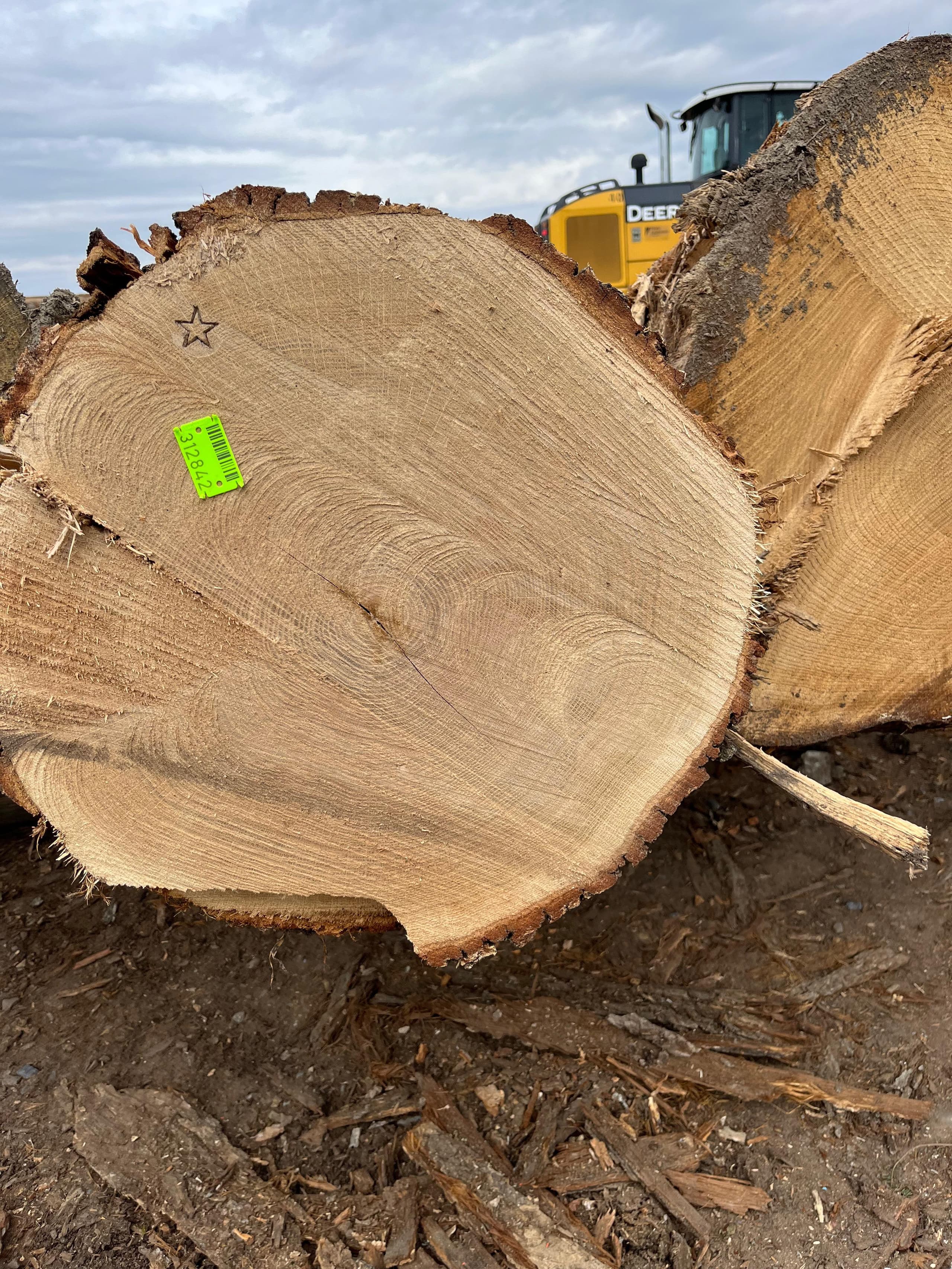
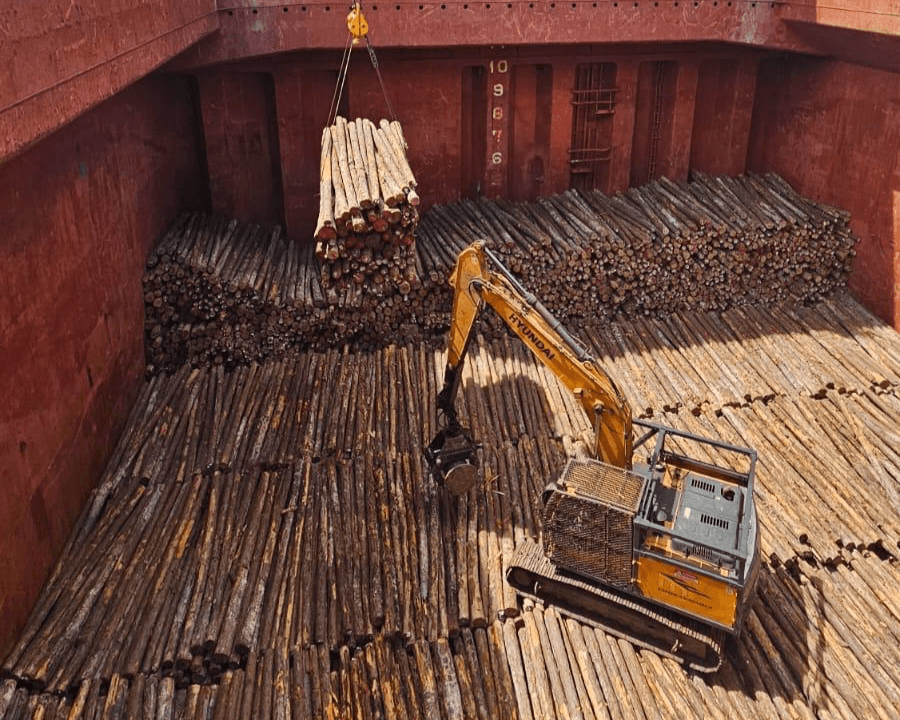
Three woods that carry the American hardwood trade.
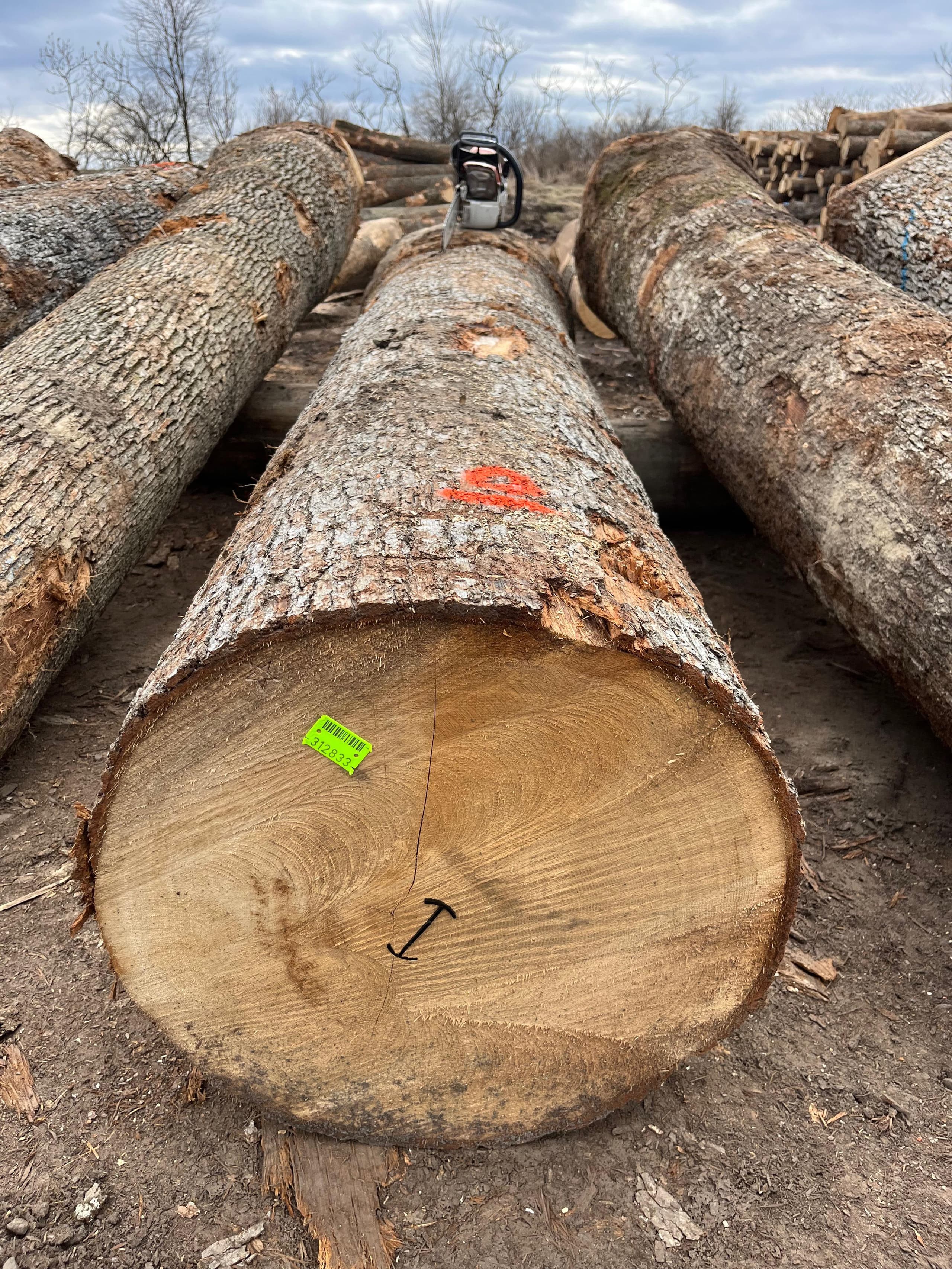
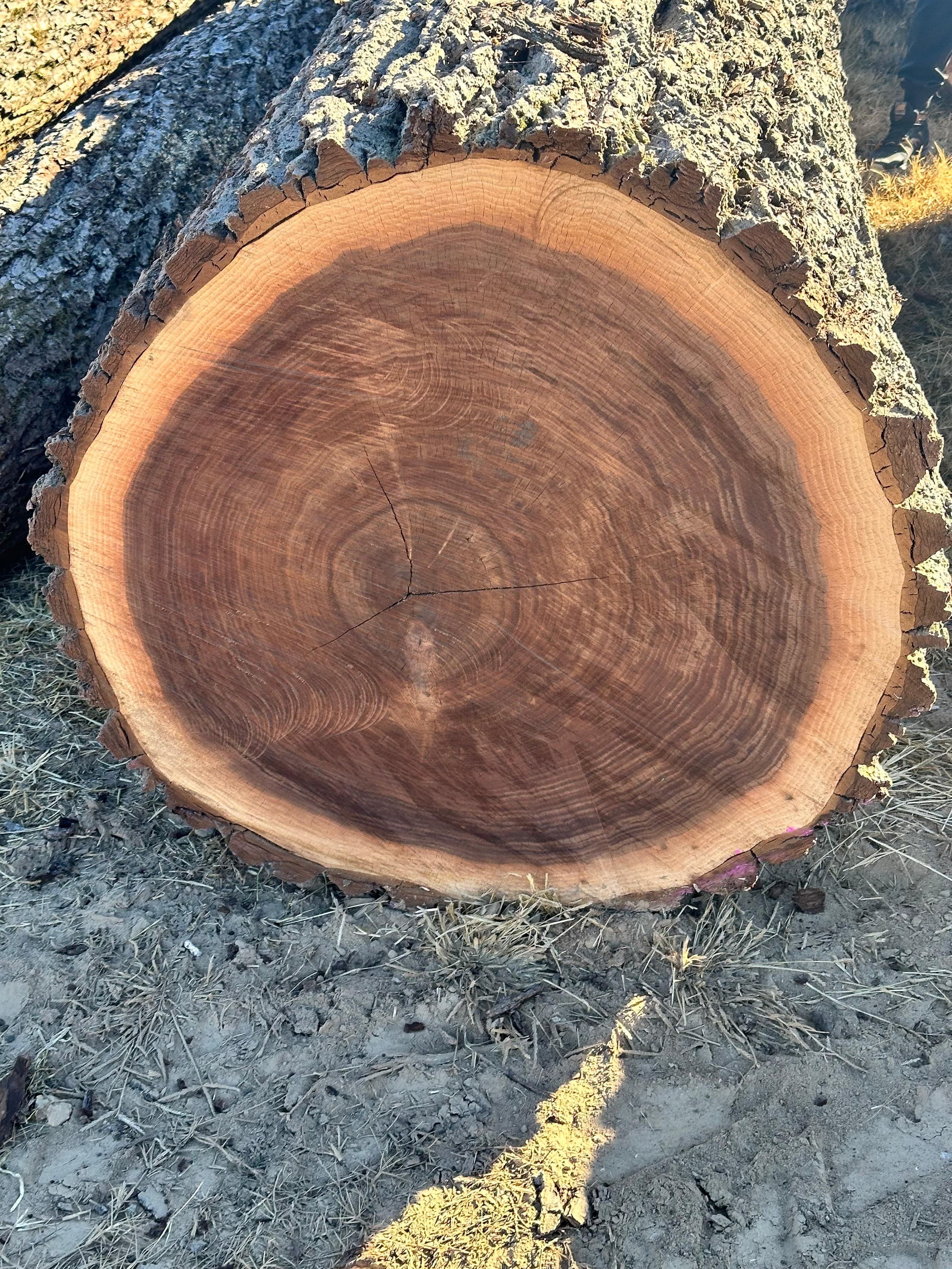
The difference is in what happens before loading.
Anyone can quote a container of oak. The variance between a good shipment and a bad one is decided upcountry — in grading discipline and in paperwork.
- 01
Graded before it moves
Every log is graded and tallied at the concentration yard, not at the quay. You see photographs and a piece-by-piece tally before the cargo leaves the interior — so a disagreement over grade happens on email, not on a wharf eight thousand kilometres away.
- 02
Documentation prepared inland
Phytosanitary inspection, Lacey Act legality declarations and — for EU cargo — the due-diligence statement are underway while the cargo is still upcountry. Paperwork is the most common cause of demurrage in this trade, and it is entirely preventable.
- 03
Built around your port, not ours
We load through eight Atlantic and Gulf ports. The right one is whichever gives your route the best sailing frequency and the shortest inland haul — that decision belongs to the shipment, not to a standing arrangement.
- 04
We slice what we buy
The logs we grade in West Virginia and Ohio feed our own slicing operation in Türkiye. A buyer can take the log or the leaf off that same log, and either way the grading decision behind it was ours — not one inherited from whoever sold the flitch on.
Worldwide, with four lanes we run constantly.
Every destination has its own plant-health rules, measurement convention and documentation habit. Knowing them in advance is the difference between a clean discharge and a cargo sitting on demurrage — which is why the lanes below are named, and why naming them is not the same as limiting them.
Europe
Logs, veneer, chipsGermany, Italy, Spain, Poland, Portugal and the Baltics. Every European shipment is prepared against EUDR due-diligence requirements.
Türkiye
Logs in, veneer outİzmir, Gemlik and Mersin — a core market, and also where our slicing operation sits. American logs are landed, cut to face-veneer specification and re-exported from here.
India
Chips, pulpwoodKandla, Mundra and Chennai. Growing MDF capacity is driving sustained hardwood chip and pulpwood demand.
Middle East
Veneer, chips, sawlogsUAE, Saudi Arabia and Egypt, serving panel producers and furniture manufacturing clusters.
These are the lanes we run most, not a list of where we can ship. Logs, sliced veneer and industrial fibre all move worldwide — name your discharge port and we will quote it.
- USORFNorfolk
Virginia — Appalachian hardwood gateway
- USBALBaltimore
Maryland — Breakbulk and container
- USSAVSavannah
Georgia — High-frequency container sailings
- USCHSCharleston
South Carolina — Southeast hardwood
- USNYCNew York / New Jersey
New York — North Atlantic routes
- USILMWilmington
North Carolina — Bulk and project cargo
- USJAXJacksonville
Florida — Chip and fibre volumes
- USHOUHouston
Texas — Gulf bulk vessel loading
EU-bound cargo, prepared for EUDR from the stump.
The EU Deforestation Regulation requires geolocation of the harvest area, evidence of legal harvest and a due-diligence statement before goods can be placed on the EU market. We assemble that pack alongside the phytosanitary file — while the cargo is still inland — so your customs broker is never waiting on us.
- Harvest geolocation data
- Legality evidence & Lacey Act declaration
- DDS reference issued before sailing
Questions buyers ask before a first order.
What does Silvestryn Trade LLC export?
Silvestryn Trade LLC exports three lines: veneer-grade American hardwood logs in white oak, northern red oak and black walnut; sliced face veneer cut from those same logs at our operation in Türkiye; and industrial fibre in the form of hardwood pulpwood and screened MDF-grade wood chips.
Which countries does Silvestryn ship American hardwood to?
Worldwide. Logs, sliced veneer and industrial fibre all ship to any discharge port a buyer names. The lanes with repeating volume are Europe, Türkiye, India and the Middle East, and US cargo loads through eight Atlantic and Gulf ports — but that is where the volume runs, not a limit on where we ship.
Does Silvestryn sell sliced veneer as well as logs?
Yes. American logs are shipped to our slicing operation in Türkiye and cut to face-veneer specification in quarter, crown and rift cuts, then exported worldwide. Because we buy the log ourselves, a buyer can take either the log or the finished leaf off that same log.
Which Incoterms does Silvestryn quote on?
We quote on EXW, FAS, FOB, CFR and CIF under Incoterms 2020. FOB is the most common basis for both container and bulk business. Every price we issue names its Incoterm — a figure without a term attached is not a quote.
Is Silvestryn's timber EUDR compliant?
Every EU-bound shipment is prepared against EU Deforestation Regulation due-diligence requirements: geolocation of the harvest area, evidence of legal harvest, and a due-diligence statement reference issued before sailing. That pack is assembled alongside the phytosanitary file while the cargo is still inland.
Does Silvestryn own forests or sawmills?
No. Silvestryn Trade LLC is an exporter and trading house. We buy against your written specification from American mills, loggers and landowners, then grade, tally, document and load it. We are accountable for grade, documentation and delivery rather than for owning standing timber.
Can I order a trial shipment before committing to a programme?
Yes. Veneer parcels and chip lots both ship as containerised trial cargoes, typically in 40-foot high-cube containers. Bulk vessel economics only work above a certain tonnage, so pulpwood and chip programmes usually start as containerised trials and move to bulk once volume is proven.
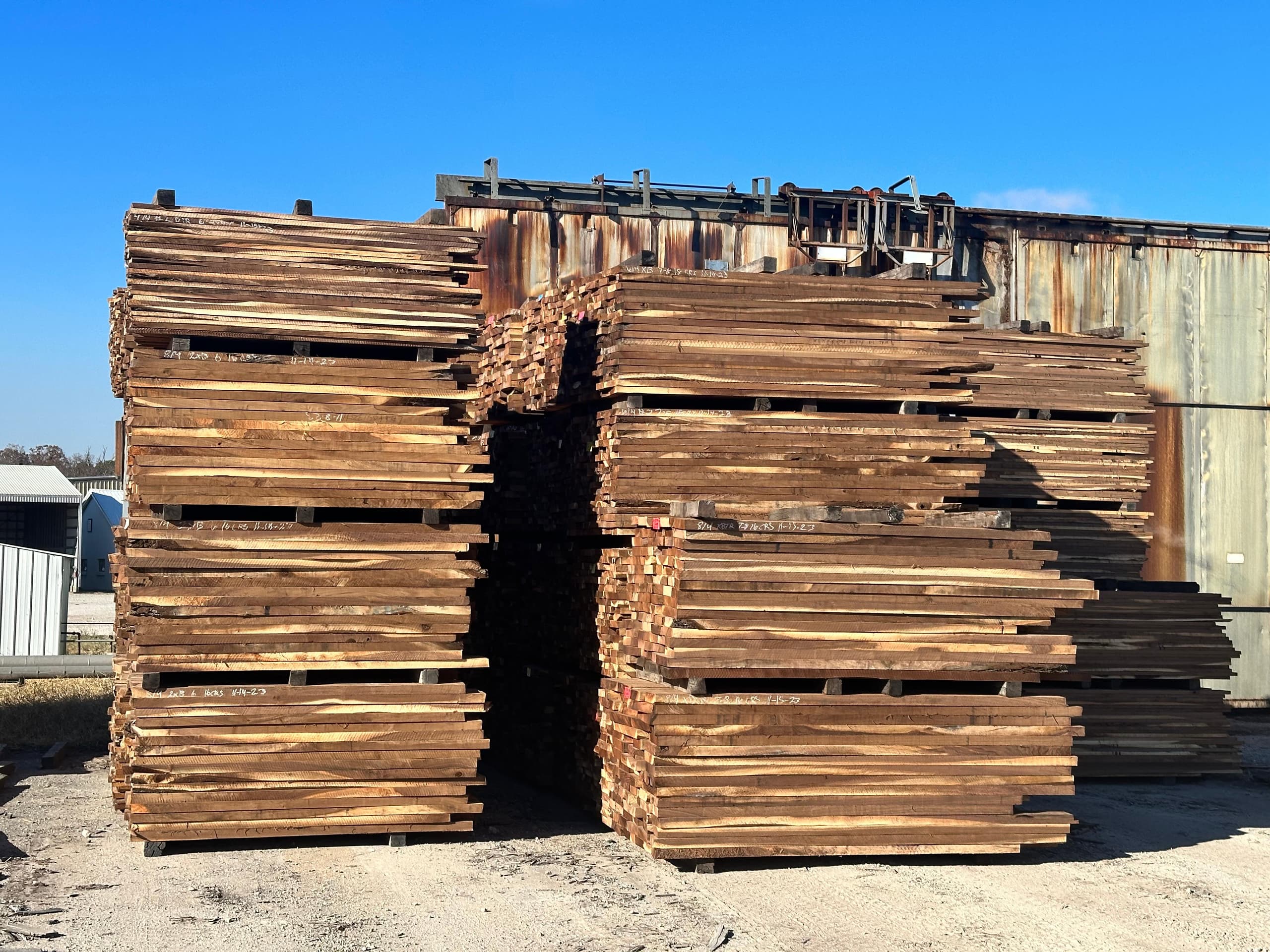
Send us a specification. We will tell you what is realistic.
Species, grade, diameter, volume, destination port and Incoterm — that is everything we need to quote. If the season or the spec makes it difficult, we will say so rather than quote a number we cannot hold.